The Balm That Dissolves Everything Naturium’s Purple Ginseng Cleansing Balm is a quiet revolution in…
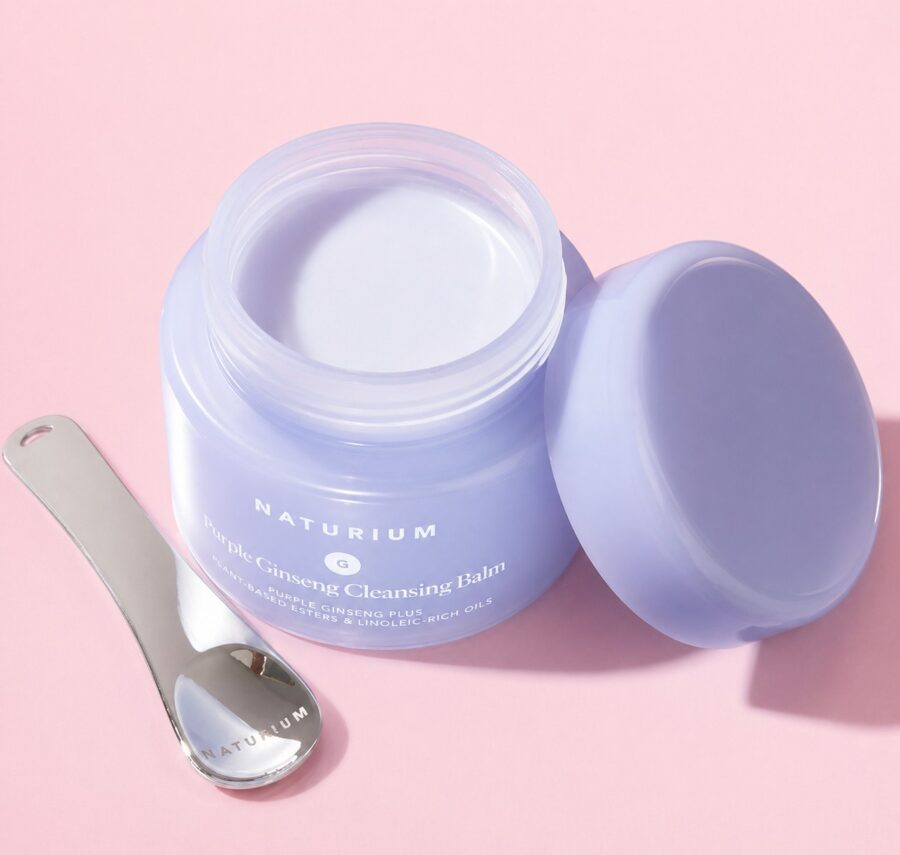
The Balm That Dissolves Everything Naturium’s Purple Ginseng Cleansing Balm is a quiet revolution in…

Most people believe style comes from having more, more options, more trends, more pieces. But…
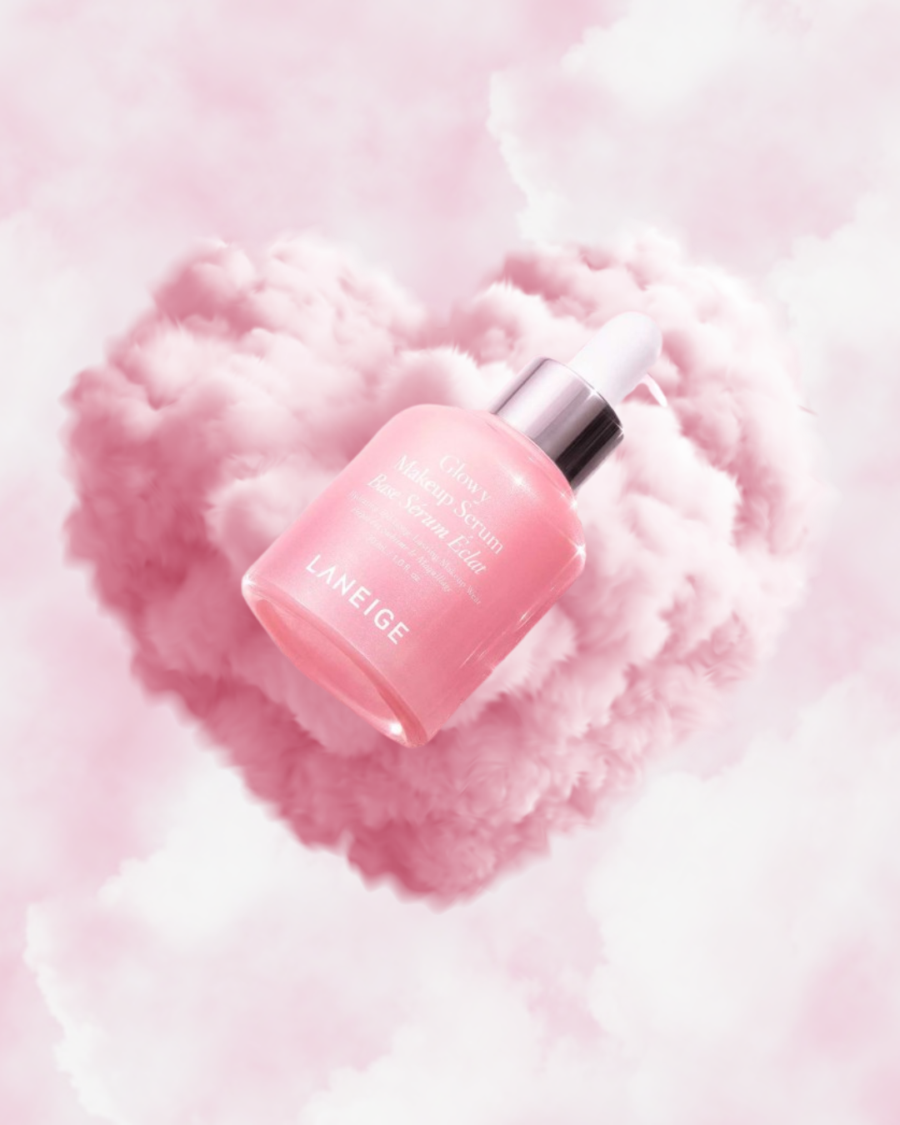
GLOW There is a kind of radiance that cannot be manufactured, the kind that moves…
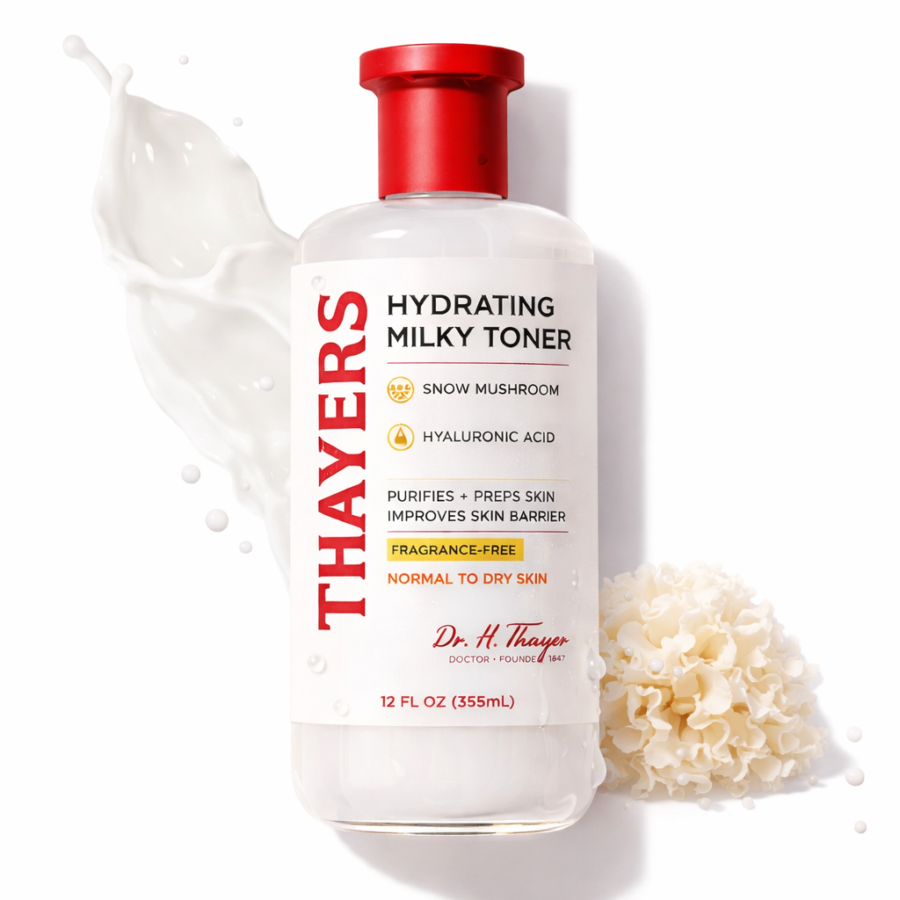
Anyone already acquainted with Thayers knows what to expect from the brand: products that do…
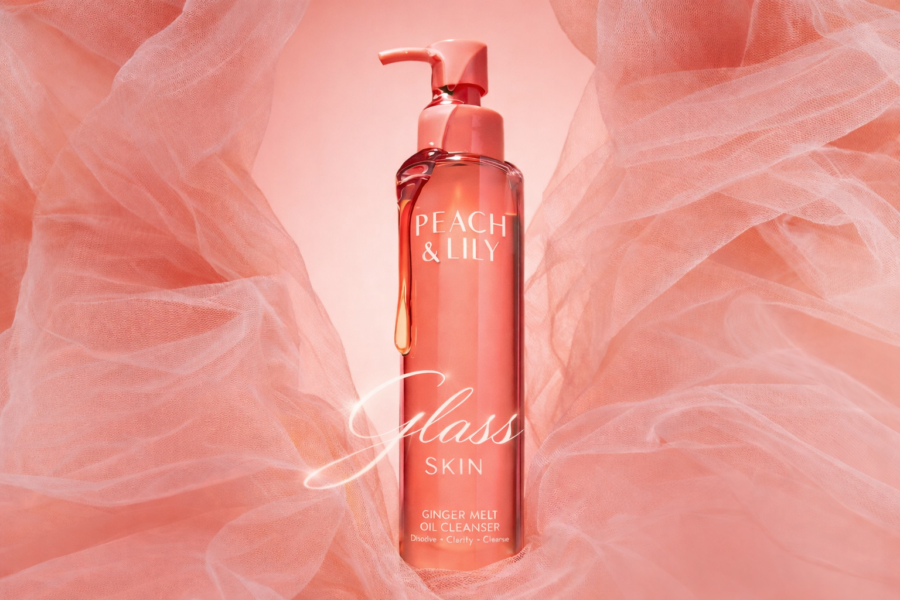
A gentle oil cleanser that melts away the day and leaves skin soft, clean, and…

A two-and-a-half-week road trip from Paris to Rome, through Normandy, the Loire Valley, Provence, the…
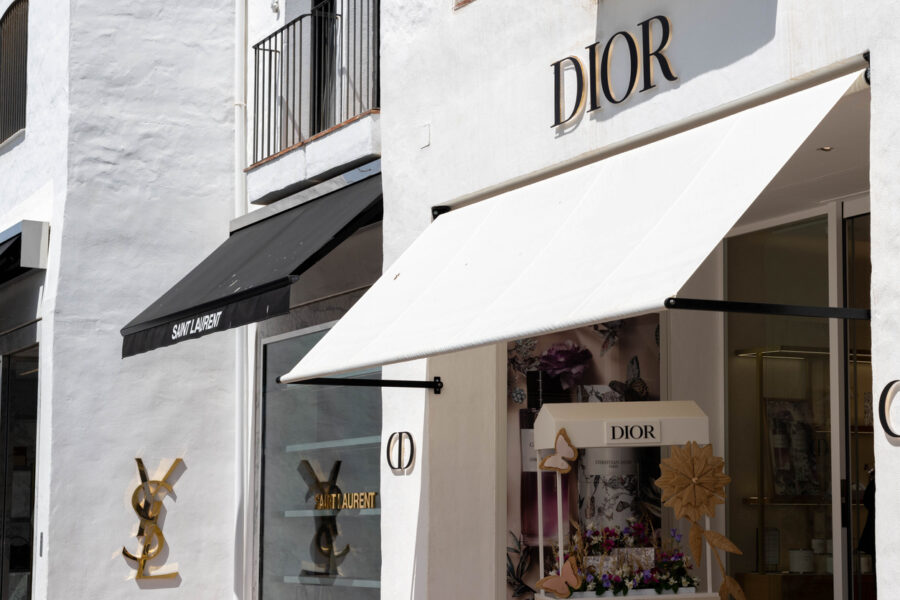
Some destinations quietly fall out of fashion, while others simply wait for the world to…



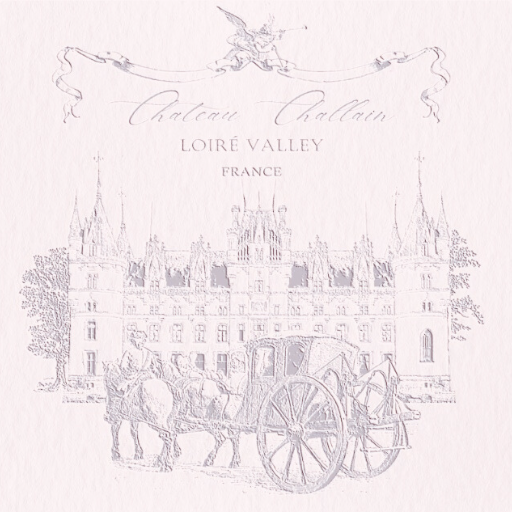
Walk into any luxury boutique today and you’ll see them everywhere, those elegant, interlocked letters adorning handbags, scarves, and luggage. But rewind a few decades, and monograms were practically invisible, relegated to dusty hope chests and grandmother’s attics. The story of how these personal marks went from ancient power symbols to royal treasures, then commercial must-haves, disappeared entirely, and finally roared back to life is as fascinating as the monograms themselves.
Monograms date back to ancient Greece and Rome, where rulers stamped coins with their initials as proof of authenticity. This wasn’t about vanity; it was about power. Those intertwined letters meant the coin was real, the decree was official, the message came from the throne. Early Christians adopted the practice with the Chi Rho monogram, transforming Greek letters into sacred symbols. By the time Charlemagne ruled Europe, monograms marked conquests and sealed royal documents. Medieval artisans signed their work with initials, turning functional marks into signatures of quality. As European courts flourished during the Renaissance and beyond, monograms evolved into something far more intimate and luxurious.
French kings commissioned master jewelers to create elaborate pieces featuring their intertwined initials with those of their queens, and sometimes their mistresses. These weren’t simple engravings. They were breathtaking works of art, gold necklaces with diamond encrusted letters, rings featuring intertwined initials in precious gems, brooches that transformed royal ciphers into wearable statements of love and power.
Think of Anne Boleyn’s famous pearl “B” necklace, worn as a declaration of her position as Henry VIII’s queen. Or Marie Antoinette’s collection of jeweled monograms, each piece a glittering testament to royal identity. These weren’t just accessories, they were political statements, love tokens, and symbols of divine right all rolled into precious metal and gems. European nobility followed suit, commissioning monogrammed jewelry, silverware, and even furniture. Your initials, rendered in the finest materials by the best craftsmen, proved you were someone who mattered.
By the Victorian era, what had been exclusive to royalty became accessible to anyone with means. Monograms exploded into mainstream culture. Suddenly, the growing middle class could afford to have their initials embroidered, engraved, or embossed on everyday items. Wedding trousseaus featured monogrammed bed linens. Gentlemen carried monogrammed handkerchiefs. Ladies exchanged calling cards with elegant script initials. Department stores offered monogramming services, democratizing what had once been reserved for kings and queens.
The list grew almost comically long, greeting cards, writing paper, bed sheets, pillowcases, bath towels, dress shirts, pajamas, robes, China plates, silverware, crystal glasses, leather goods, and luggage. If you owned it, you could monogram it. These weren’t just decorative touches, they signaled refinement, good breeding, and attention to detail. A properly monogrammed trousseau was essential for any respectable bride. Monograms had gone from royal privilege to middle class aspiration.
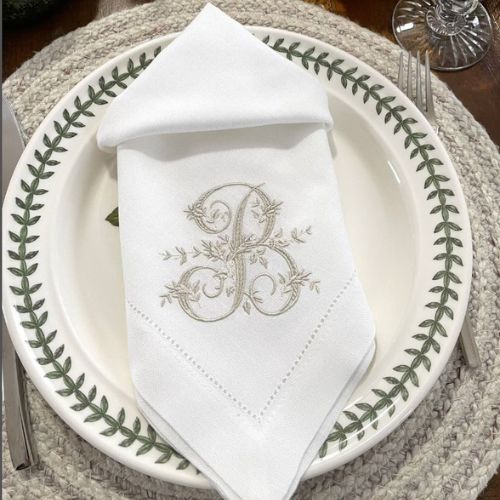
Then something shifted. By the mid to late 20th century, monograms started feeling stuffy, old fashioned, even pretentious. The cultural revolution of the 1960s and 70s rejected formality. Minimalism took over design. Mass production made identical goods the norm, and personalization seemed at odds with the efficiency everyone craved. Younger generations associated monograms with their grandparents’ generation, beautiful, perhaps, but decidedly uncool. The monogramming services at department stores quietly closed. Embroidery shops shifted focus. Those elaborately initialed linens stayed packed away in hope chests. For a generation or two, it seemed monograms might disappear entirely, relegated to history books and estate sales. But here’s where the story gets interesting. In our hyper digital, mass-produced world, people started craving something personal again. The pendulum swung back. Monograms returned, not as grandmother’s stuffy formality, but as a fresh statement of individuality. Suddenly, having your initials on your belongings wasn’t pretentious, it was authentic. It was distinctly you. What is driving this new fascination? Partly nostalgia, those vintage monograms look incredible on social media. Partly the desire to own something unique in a world of identical mass market goods. And partly the rise of quiet luxury, understated elegance that whispers rather than shouts. A discreet monogram says you value quality, craftsmanship, and timeless style over fleeting trends.
Of course, luxury fashion houses never abandoned monograms, they built empires on them. Louis Vuitton’s interlocking LV, Chanel’s double C, Gucci’s GG, Hermès’ elegant H, Fendi’s mirrored F, these aren’t just logos, they’re modern monograms that command instant recognition and devotion. Even their packaging bears these signature initials, turning every purchase into a monogrammed experience
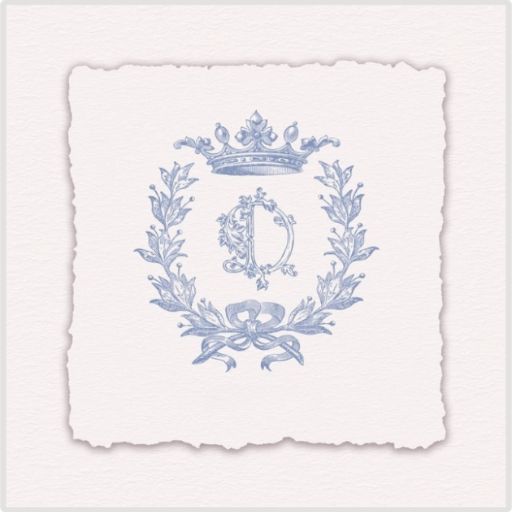
Individuality will always be one of the conditions of real elegance.Christian Dior
These brands understood something the French kings knew centuries ago, monograms represent identity and status. When you carry a monogrammed bag, you’re not just transporting belongings, you’re making a statement about who you are and what you value. The best luxury brands turned their own initials into the ultimate status symbols, proving that monograms never really went away. They simply evolved, from royal jewels to fashion icons.
From ancient coins to royal jewelry to contemporary couture, monograms have traced a remarkable path through history. They’ve signified imperial power, adorned queens in diamonds, defined middle class refinement, fallen into obscurity, and risen again as symbols of personal style. Today’s monogram renaissance proves that some marks of elegance are truly timeless. They just need the right moment to shine again. And right now, that moment is unmistakably here.
The Balm That Dissolves Everything Naturium’s Purple Ginseng Cleansing Balm is a quiet revolution in…
Most people believe style comes from having more, more options, more trends, more pieces. But…
GLOW There is a kind of radiance that cannot be manufactured, the kind that moves…
Anyone already acquainted with Thayers knows what to expect from the brand: products that do…
A gentle oil cleanser that melts away the day and leaves skin soft, clean, and…
A two-and-a-half-week road trip from Paris to Rome, through Normandy, the Loire Valley, Provence, the…
Some destinations quietly fall out of fashion, while others simply wait for the world to…