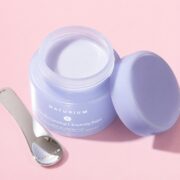
The Balm That Dissolves Everything Naturium’s Purple Ginseng Cleansing Balm is a quiet revolution in…
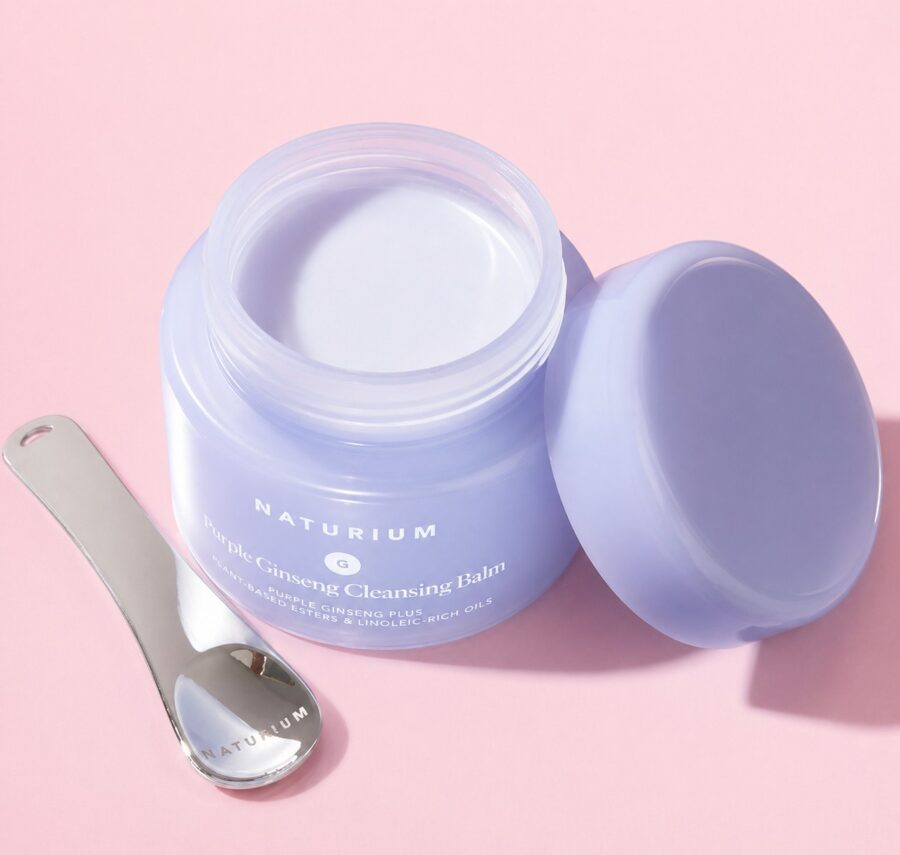
The Balm That Dissolves Everything Naturium’s Purple Ginseng Cleansing Balm is a quiet revolution in…
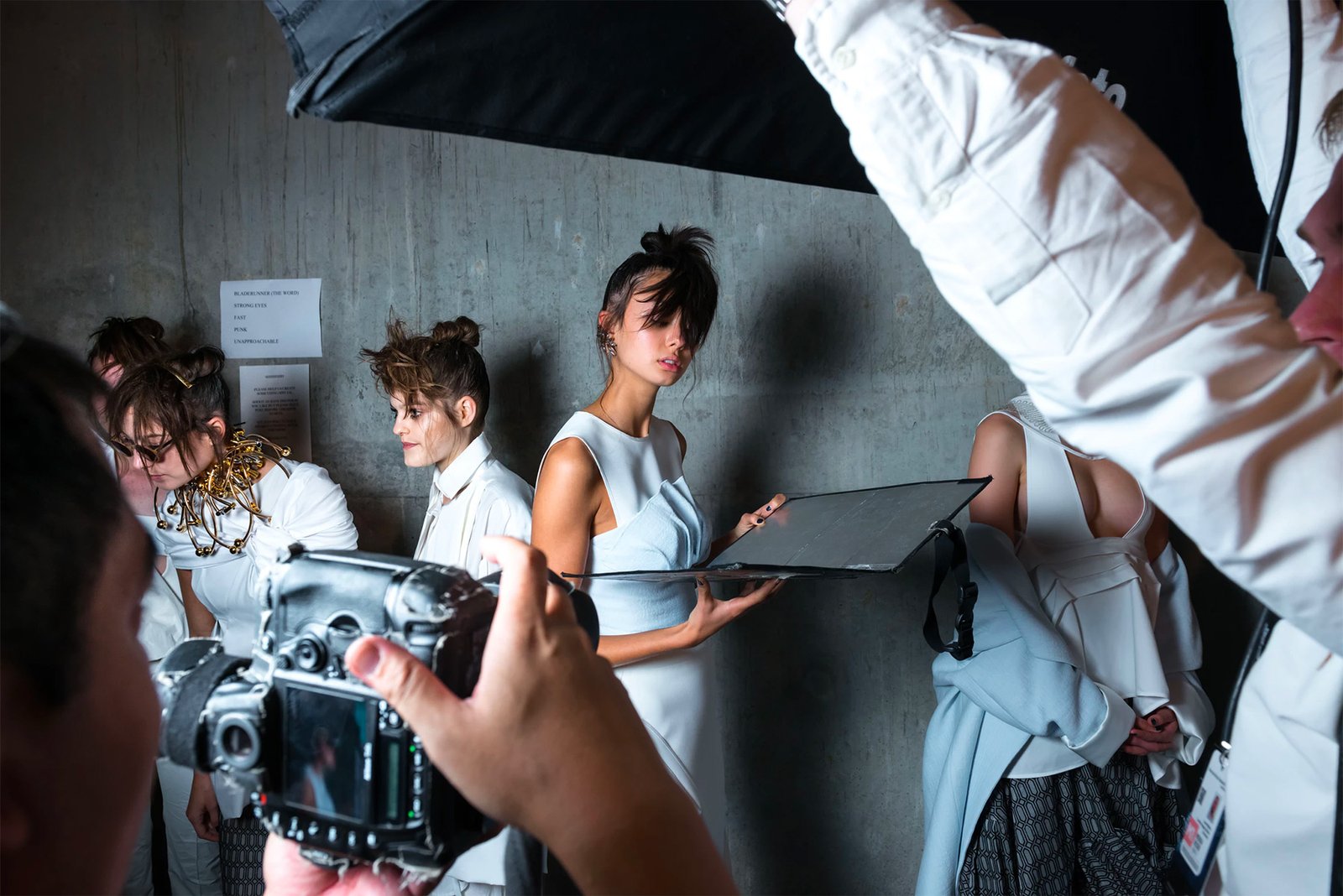
Most people believe style comes from having more, more options, more trends, more pieces. But…
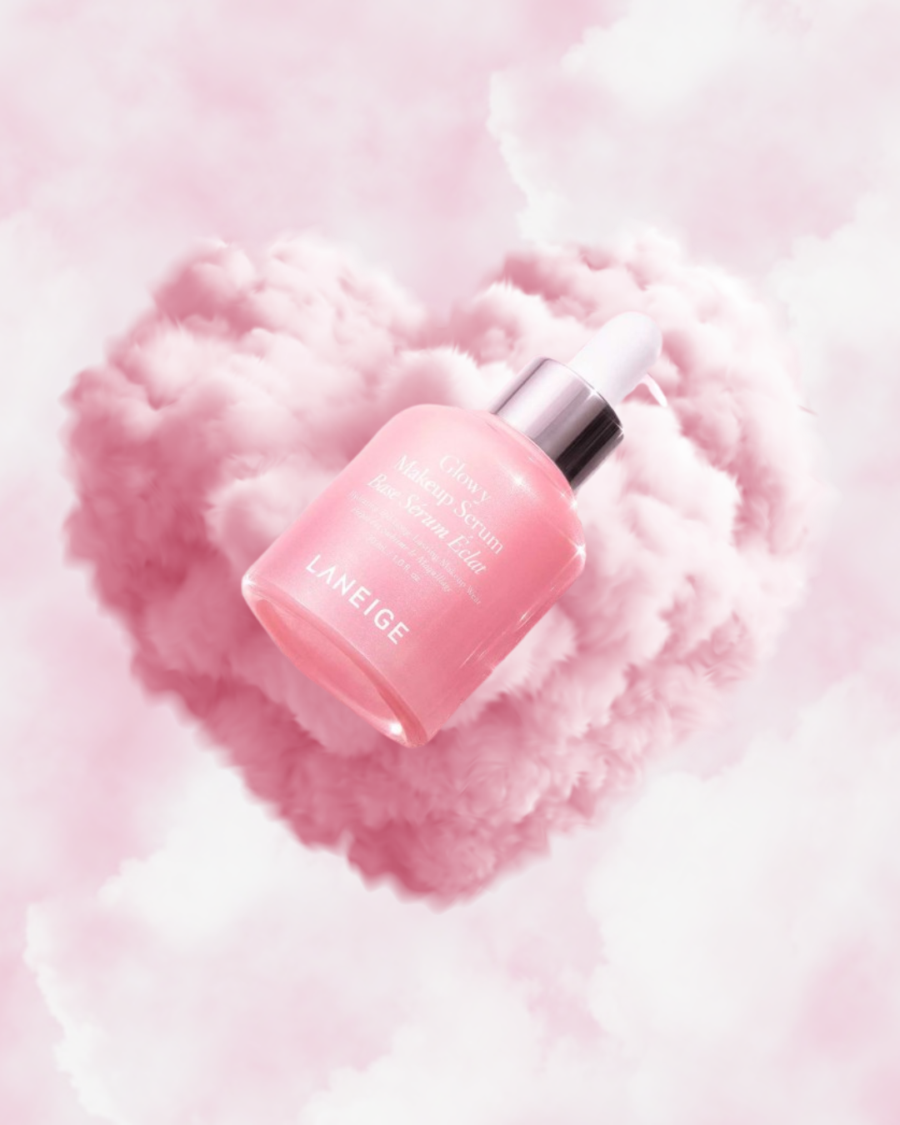
GLOW There is a kind of radiance that cannot be manufactured, the kind that moves…
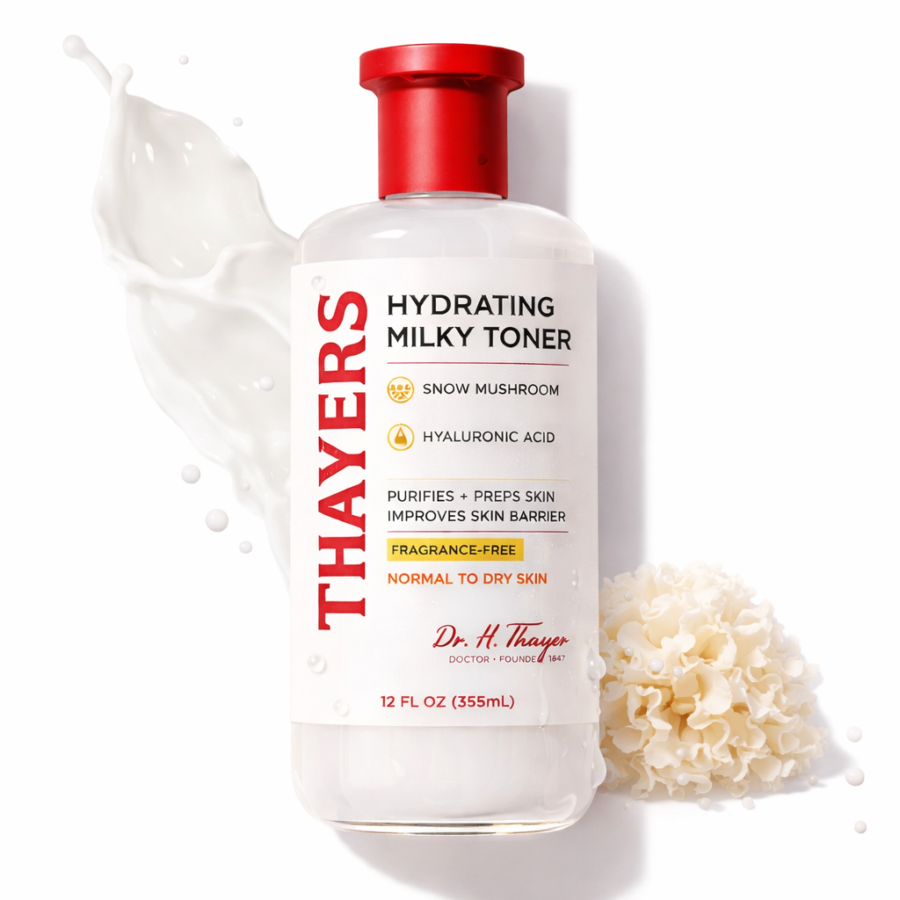
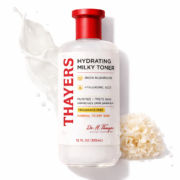
Anyone already acquainted with Thayers knows what to expect from the brand: products that do…
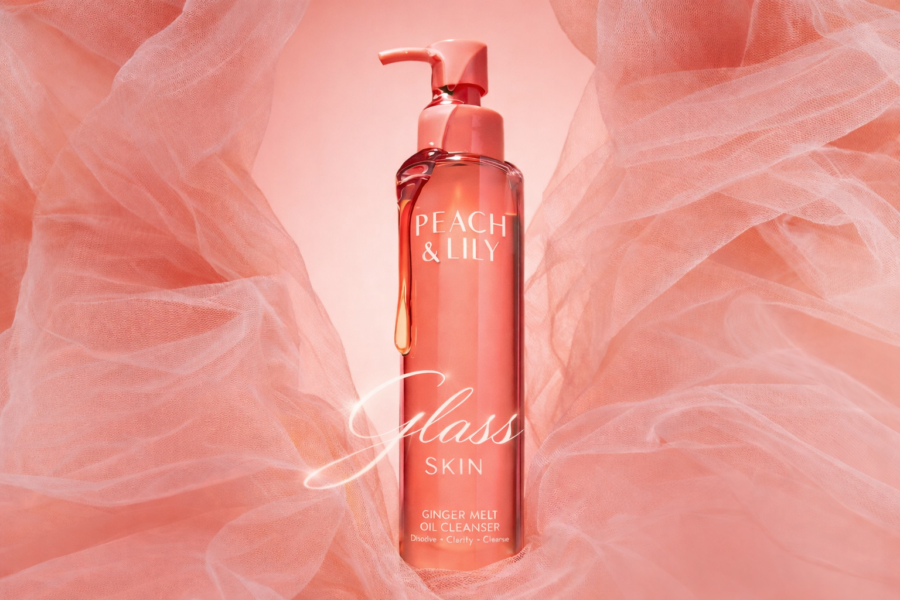
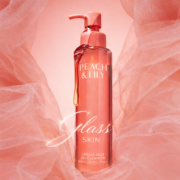
A gentle oil cleanser that melts away the day and leaves skin soft, clean, and…
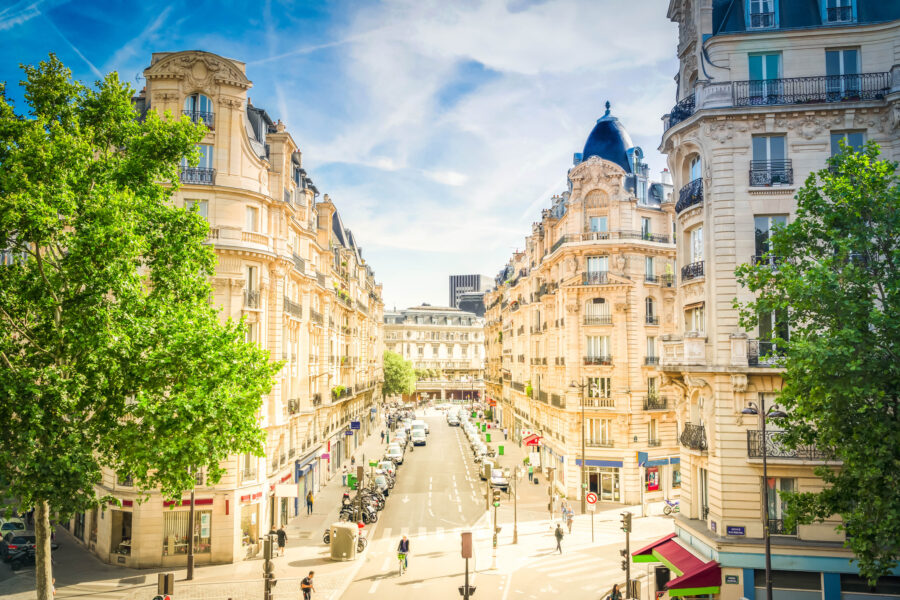
A two-and-a-half-week road trip from Paris to Rome, through Normandy, the Loire Valley, Provence, the…
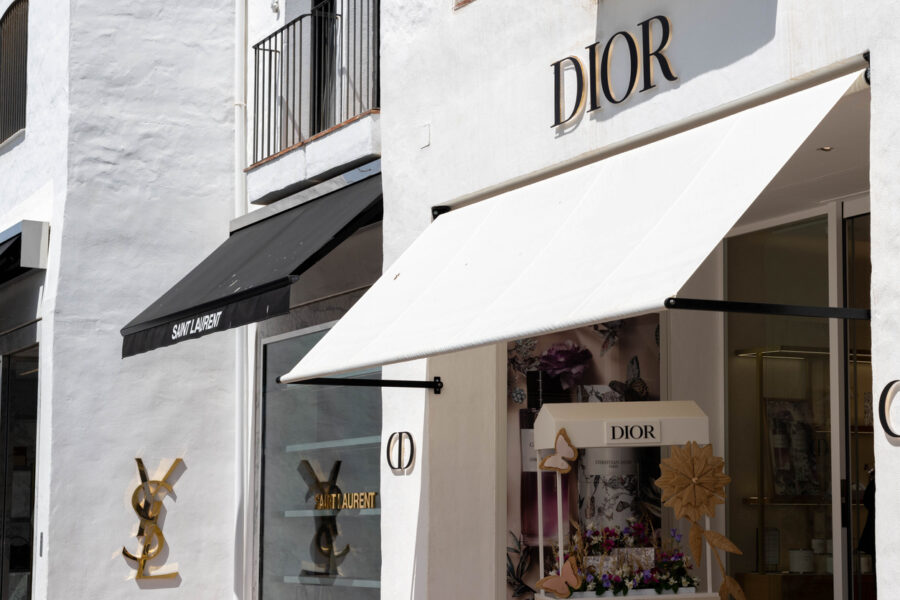
Some destinations quietly fall out of fashion, while others simply wait for the world to…

There is a moment, subtle but unmistakable, when you realize that luxury lifestyle brands have stopped selling you something and started selling you somewhere. It happens when you check into a hotel suite and recognize the scent before you see the logo, when you lift a coffee cup at a café in Seoul and feel, without question, that you are inside a world that has been considered down to its last millimeter, or when you set a dinner table and the plates feel like an extension of a silhouette you have admired for decades. This is not coincidence. It is architecture.
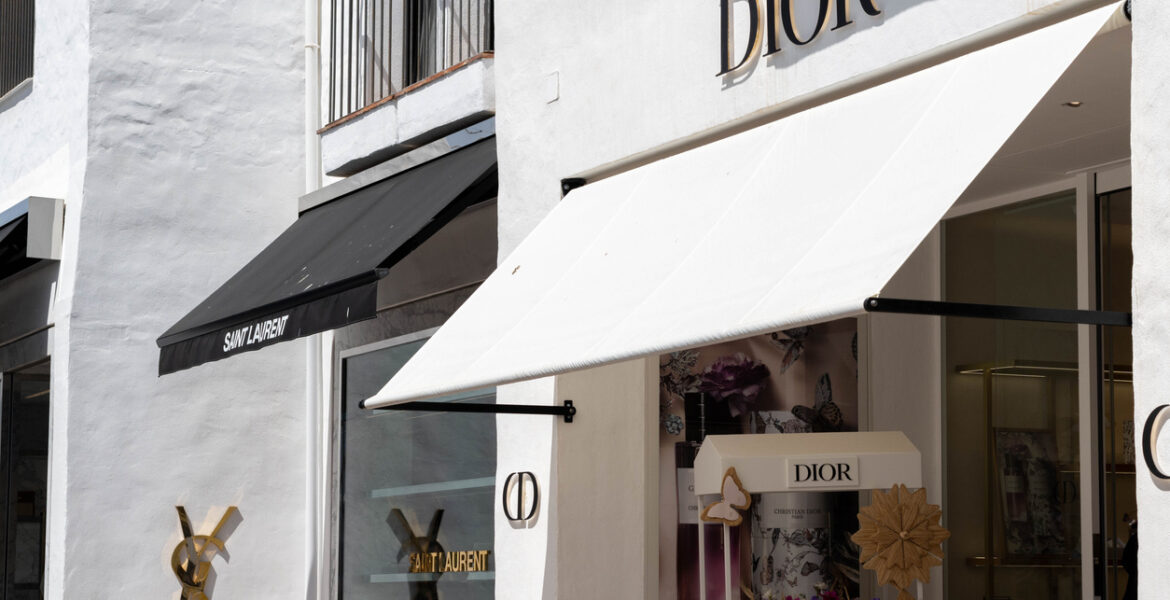
The most powerful luxury houses on earth Hermès, Louis Vuitton, Dior, Bulgari, Armani, and Chanel are no longer simply brands. They are environments. The shift from the former to the latter is arguably the most significant strategic evolution luxury has undergone in a century.
To understand where luxury is going, you must first understand where it was rooted. Hermès began in 1837 as a harness and saddle workshop, dressing the horses of European aristocracy with the same precision a couturier might bring to a duchess. Louis Vuitton arrived in 1854 with a singular obsession: the trunk.
Not the concept of travel, not the romance of the journey, but the trunk itself, engineered to be flat topped, stackable, and impeccably crafted for an age when grand voyages were a way of life. In fact, it was this singular focus that defined the house.
Chanel opened her first millinery boutique in 1910, and Gucci built its early identity through leather and the language of equestrian craftsmanship. Each house began the same way, with one discipline mastered to the point of obsession. Heritage was the asset, identity was nonnegotiable, and growth, when it came, was careful and almost reluctant. Expansion meant moving one step sideways, never a leap. For a long time, that restraint was the luxury.
The earliest diversification felt less like expansion and more like a natural exhale. Accessories gave way to small leather goods and fashion discovered fragrance. Chanel set the template in 1921 with No. 5, It proved that couture prestige could be distilled into a bottle without losing a drop of its mystique. A woman who could not afford the atelier could still wear the dream, and the genius was in how it widened the audience without diminishing the aspiration.
The earliest diversification felt less like expansion and more like a natural exhale.
From there the scope slowly expanded. In the last two decades luxury houses have moved into territory that would have seemed extraordinary, perhaps even imprudent, to their founders. Dolce & Gabbana expanded far beyond ready to wear, launching Dolce & Gabbana Casa with furniture, textiles, decorative objects, and a striking collaboration with Smeg that turned kitchen appliances into conversation pieces. The brand that once dressed the body had begun, quietly, to dress the home.
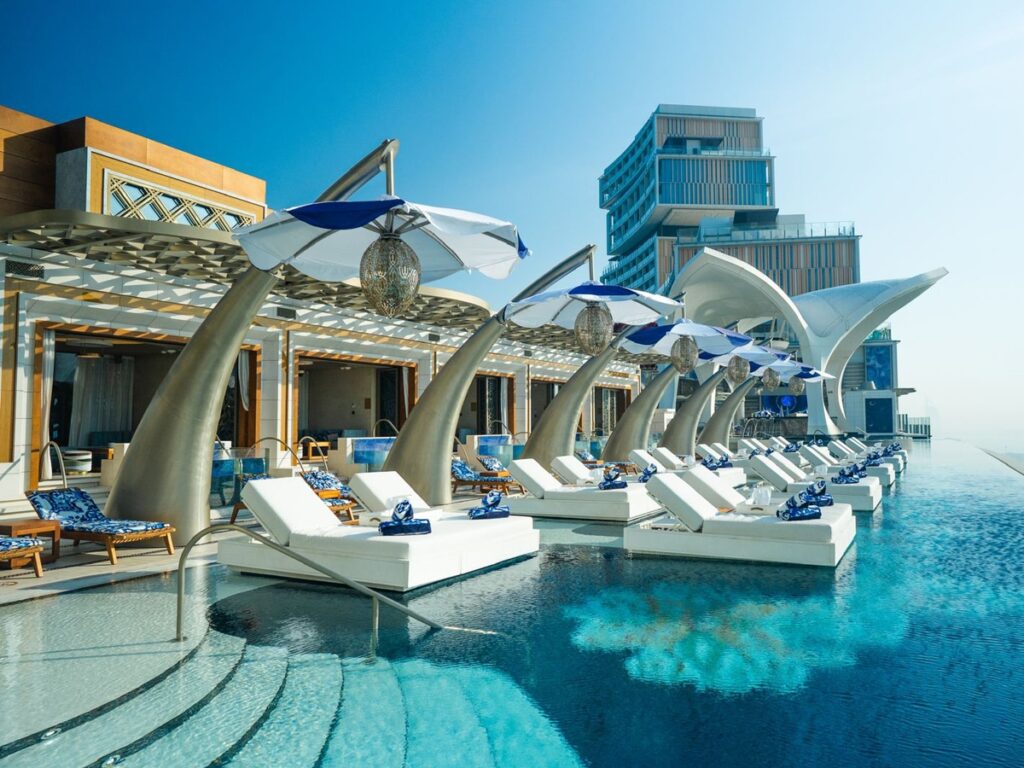
Even leisure spaces now echo the language of luxury interiors. At Cloud 22, the rooftop pool terrace at Atlantis The Royal, cabanas styled in collaboration with Dolce & Gabbana extend the decorative language of the fashion house into a fully immersive lifestyle setting.
Dior opened Dior Maison, bringing couture’s graphic language to tableware and decorative collections. Hermès extended its Art de la Table collections into territory long held by heritage houses like Baccarat, creating porcelain and crystal imbued with a distinctly equestrian soul.
Louis Vuitton returned to fragrance in 2016 with an in-house atelier in Grasse, reviving a category the house had explored earlier in its history. It then went further, expanding into cosmetics and bringing the same obsessive craftsmanship that built its leather goods empire to the world of color and skin. This marked a decisive shift, signaling that beauty was no longer a side venture for the great houses. Instead, it became the next frontier.
And Louis Vuitton was far from alone. Hermès launched its own makeup line, a collection as considered and quietly extraordinary as everything the house produces, with lipsticks and blushes presented in packaging that feels closer to a collector’s object than a cosmetic. Gucci followed with a full beauty line that channeled the house’s maximalist, vintage inflected aesthetic directly into its color palette and presentation, while Carolina Herrera introduced a makeup collection that extended the brand’s romantic sensibility into beauty with the same elegance she brings to a ballgown.
Chanel formalized its position in fine jewelry at Place Vendôme, evolving from high end costume pieces into the rarefied world of haute joaillerie. And then came the move that changed everything.
What unites these ventures is not merely the product. It is the philosophy behind them. These are not mass market lines with luxury branding applied at the last moment. They are deliberately expensive, meticulously designed, and presented with the same visual discipline that built the houses themselves. A lipstick from Hermès or a foundation from Gucci costs considerably more than its high street counterpart, and the packaging makes no apology for it. Even the smallest point of contact with these houses must feel like it belongs to the collection.
Armani opened the Armani Hotel Dubai inside the Burj Khalifa in 2010. Bulgari soon followed with an international portfolio of hotels in Milan, London, Tokyo, Paris, and Dubai, each one a masterclass in the kind of restraint that only arrives after complete confidence. Tiffany & Co. introduced the Blue Box Café inside its Fifth Avenue flagship, and the queue to sit inside that particular shade of robin’s egg blue became a pilgrimage in itself.
Dior opened branded cafés in Seoul, Tokyo, Paris, and Beverly Hills, translating the house’s visual code into something you could taste. These spaces were not simple marketing activations dressed up as experiences. They represented something more ambitious. A declaration that luxury in the twenty first century is no longer simply a product category.
The way to build a brand is to build a world.Scott Galloway
When a house controls the architecture, the scent, the lighting, the thread count, the soundtrack, and the quality of light through the windows, it moves beyond product placement into something far more powerful. It creates psychological presence. Luxury no longer simply sells objects. It constructs a world and then invites you to live inside it.
In an era where experience circulates instantly through photographs and video, these environments are no longer private indulgences. They are shareable stages that reinforce the identity of the house.
The financial reasoning behind this expansion is sharp, even if it rarely makes its way into the mood boards. Beauty generates hundreds of billions annually and, unlike fashion, it is not seasonal. A lipstick is replenished. A fragrance becomes a ritual. A hotel room is booked again and again, sometimes for anniversaries and sometimes simply for the pleasure of returning.
Fashion, brilliant and seductive as it is, remains seasonal. Collections arrive and depart, trends shift, and even the most beloved handbag may be purchased once and carried for a decade. Hospitality, beauty, and home offer something fashion alone cannot always guarantee. Stability at scale.
Geography is also part of the calculation, and it is never accidental. The Bulgari Resort Dubai sits at the center of one of the fastest growing luxury tourism markets on earth. Armani’s Dubai hotel follows the same logic. Dior’s Seoul café aligns with South Korea’s extraordinary cultural influence in both beauty and fashion. These placements are not random coordinates. They are chosen with the precision of a master jeweler setting a stone.
For generations, the language of aspiration was the language of ownership. A handbag signaled taste. A watch communicated success. A piece of fine jewelry suggested permanence. These were powerful signals, but they were episodic tied to a single moment of acquisition, a single object, a single transaction.
Immersive expansion changes the relationship entirely. When a client stays at a branded hotel, lingers over breakfast in a branded café, and sets her table with a house’s porcelain, her connection with that house becomes continuous. The brand is no longer an accessory to her life. It becomes the setting of her life.
Modern consumers are not simply buying a handbag. They are buying a sense of belonging to a particular world.
Empire building carries risks, and the most intelligent houses understand this well. Luxury depends on scarcity. Prestige thrives on a certain distance, a sense that the object or experience remains just slightly out of reach.
When a brand becomes too visible or too widely distributed, something begins to erode. The aura fades and mystique starts to feel manufactured rather than earned. The strongest houses expand carefully, choosing locations with intention and maintaining tight control over their visual and experiential language.
The line between ecosystem and overexposure is thin. Walking that line is the real art.
Luxury history has a pattern that has humbled even the most powerful maisons. Brands expand, mystique thins, and the retreat begins. Tom Ford famously rescued Gucci after the brand nearly collapsed from overexposure in the 1980s. Pierre Cardin licensed his name onto everything from frying pans to bedsheets and never fully recovered.
Yet this expansion may be different. These houses are not moving downward; they are moving upward. A Bulgari hotel is not cheaper than a Bulgari necklace in spirit. It is arguably even more exclusive. A Hermès lipstick is not fast fashion with a logo. It is a $67 object that most people will never buy.
Luxury houses today are not chasing volume. They are deepening the world for the same wealthy clientele who were already theirs. Whether this expansion strengthens the mystique of the great houses or quietly erodes it is the question luxury will answer in the decades ahead.
The Balm That Dissolves Everything Naturium’s Purple Ginseng Cleansing Balm is a quiet revolution in…
Most people believe style comes from having more, more options, more trends, more pieces. But…
GLOW There is a kind of radiance that cannot be manufactured, the kind that moves…
Anyone already acquainted with Thayers knows what to expect from the brand: products that do…
A gentle oil cleanser that melts away the day and leaves skin soft, clean, and…
A two-and-a-half-week road trip from Paris to Rome, through Normandy, the Loire Valley, Provence, the…
Some destinations quietly fall out of fashion, while others simply wait for the world to…