The Balm That Dissolves Everything Naturium’s Purple Ginseng Cleansing Balm is a quiet revolution in…

The Balm That Dissolves Everything Naturium’s Purple Ginseng Cleansing Balm is a quiet revolution in…
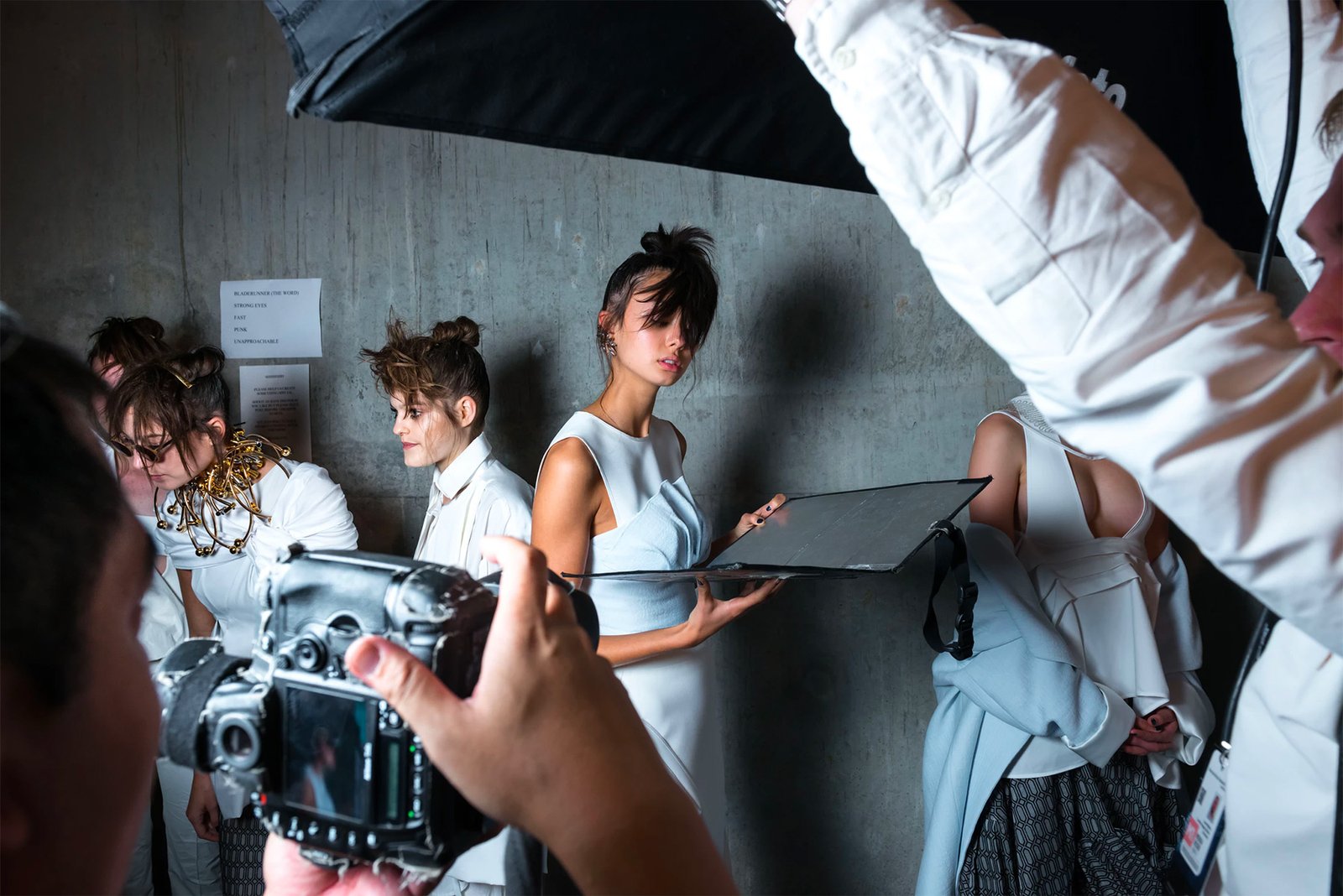
Most people believe style comes from having more, more options, more trends, more pieces. But…
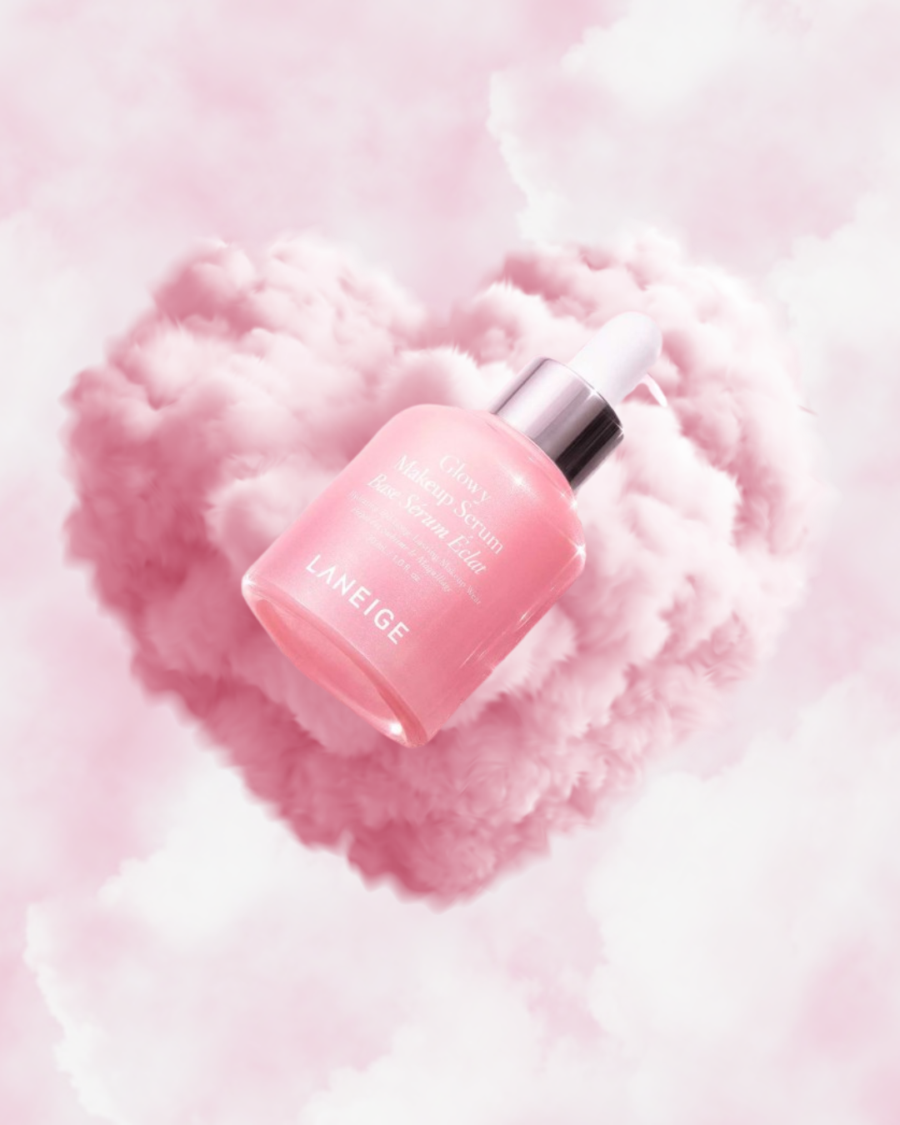
GLOW There is a kind of radiance that cannot be manufactured, the kind that moves…
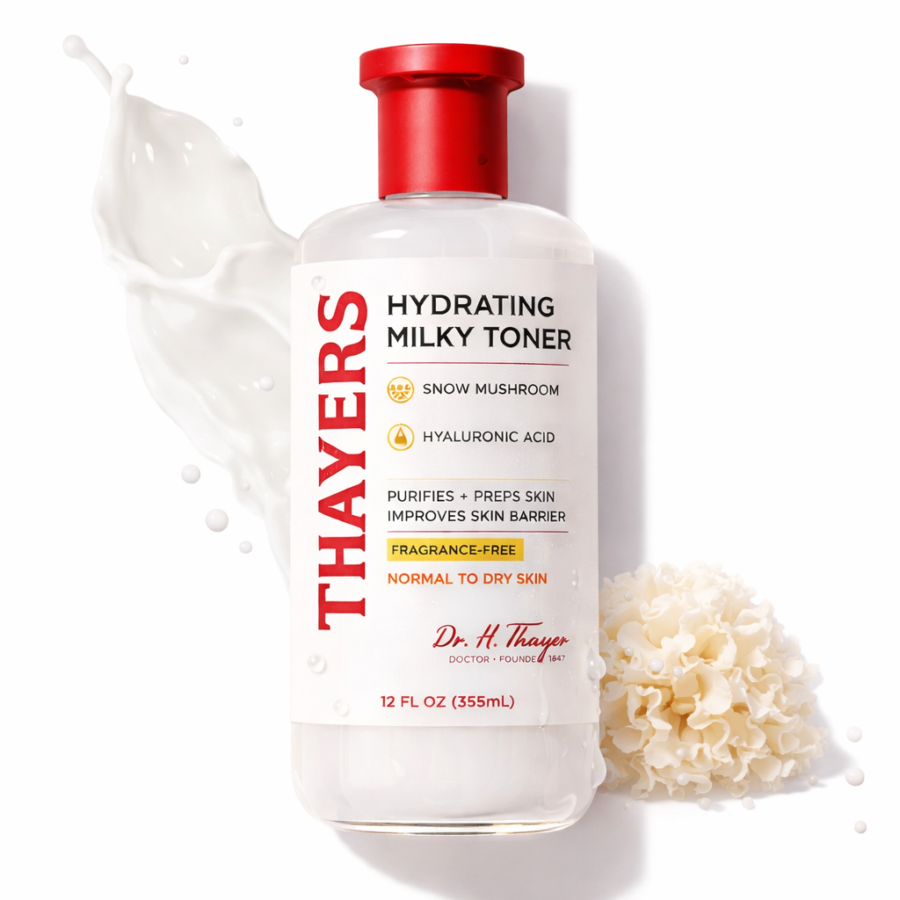
Anyone already acquainted with Thayers knows what to expect from the brand: products that do…

A gentle oil cleanser that melts away the day and leaves skin soft, clean, and…
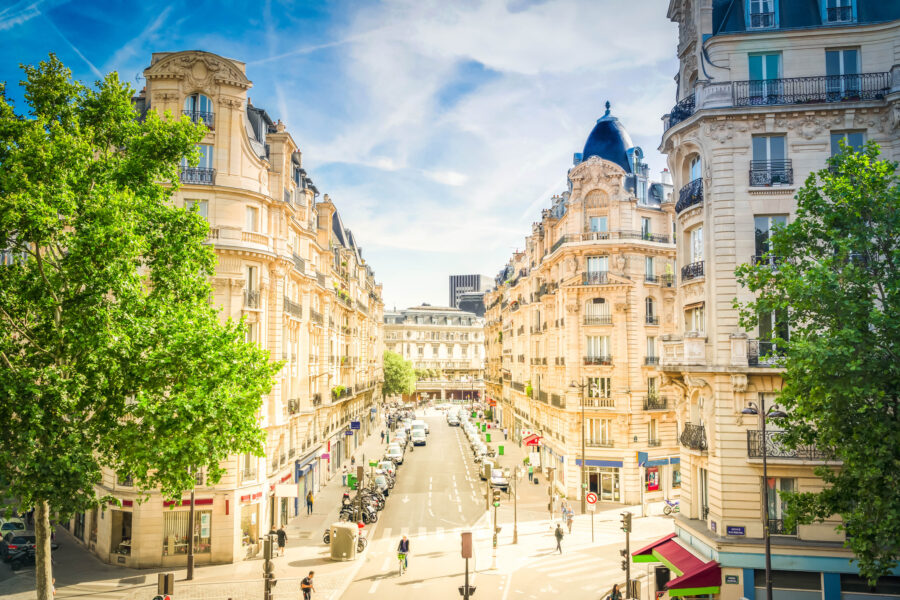
A two-and-a-half-week road trip from Paris to Rome, through Normandy, the Loire Valley, Provence, the…
Some destinations quietly fall out of fashion, while others simply wait for the world to…




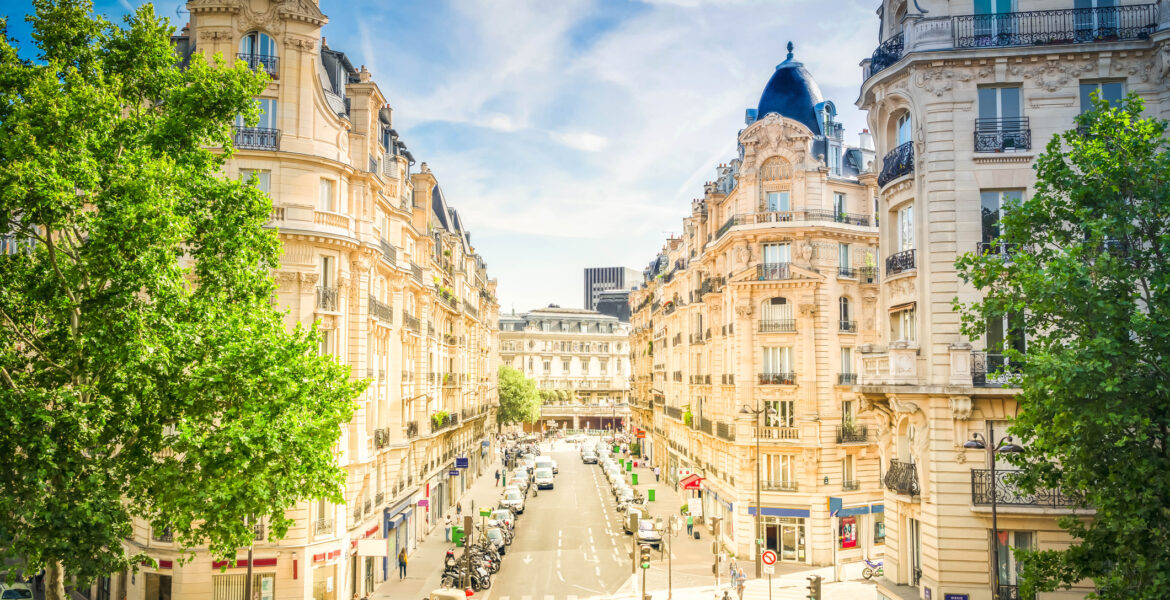
One summer, two of my closest friends and I decided we wanted to do something a little different. Instead of flying from city to city and rushing through a long list of destinations, we wanted a trip that would unfold slowly. The kind of journey where the road itself becomes part of the experience. It was just three friends, one car, and the open roads of France.
So we rented a car in Paris and planned a road trip that would take us through France and into Italy over the course of about two and a half weeks. Neither of us could have guessed, on that first morning pulling out of the city, just how much of the trip’s magic would happen between destinations. In the small villages we stumbled upon, the bakeries that weren’t on any map, the moments of silence in the car when the landscape did all the talking.
There were three of us. It turned out to be the perfect number.
Our first stop was Deauville, the elegant seaside town on the Normandy coast that Parisians have loved escaping to for generations. For most of my friends, it was new. For me, it was something else entirely.
When I was a little girl growing up in Paris, my father, a racehorse breeder, would bring me here every August for the famous yearling sales. Breeders and buyers from around the world descended on the town during those weeks, and Deauville took on a very particular energy: champagne and sawdust, silk dresses and stable boots. We always stayed at Hôtel Barrière Le Normandy, its Anglo-Norman facade as familiar to me as a childhood home.
Walking back into the Normandy as an adult, this time with friends rather than holding my father’s hand, was one of the most quietly moving moments of the entire trip. Some places hold time differently. Deauville is one of them. At that point, it was clear that three friends, one car was all we needed for the journey ahead.
Sometimes the most beautiful part of a journey is everything that happens between the destinations.
We spent two nights there, walking the famous boardwalk, browsing the boutiques, and eating as well as you can eat anywhere in France. It felt like the gentlest possible way to begin.
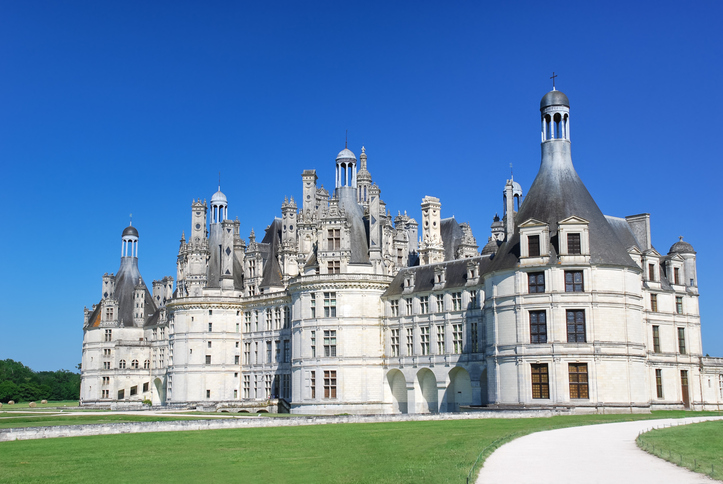
From Deauville we headed south toward the Loire Valley, and the first sight of Château de Chambord stopped us completely.
We had turned a corner on a forest road, not expecting much, when it simply appeared. Hundreds of towers and chimneys rising above the tree line like something dreamed up rather than built. We pulled over without saying anything and just looked at it for a moment. That kind of beauty is disorienting.
After exploring the château and its grounds, we had a long, unhurried lunch at Les Armes du Château nearby. This became one of the defining pleasures of the trip: the long French lunch, with no agenda until the afternoon, nowhere to be, and a second carafe of wine appearing as if by instinct.
The Loire Valley also gave us our first taste of the unexpected detour. Leaving the main road on a whim, we found a village with a boulangerie that had been operating since 1954, a card on the door with the owner’s phone number in case the shop was closed. We bought everything they had left and ate it in the car.
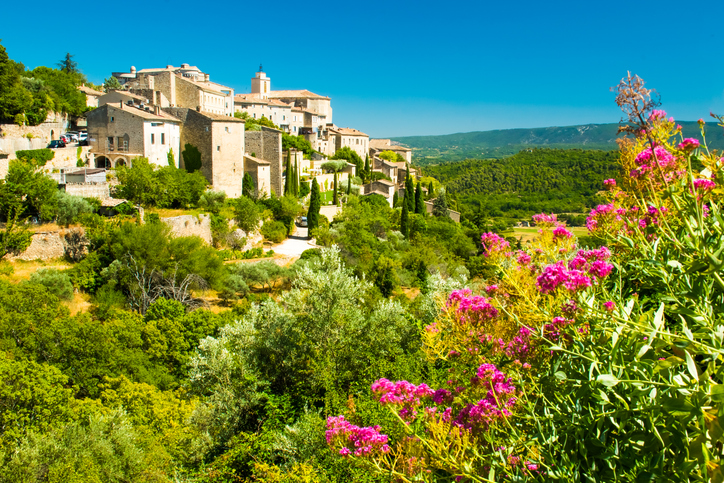
As we drove south, the landscape quietly transformed around us. The light softened and turned golden. Vineyards appeared along the hillsides. The villages became smaller, older, more sun-bleached and unmistakably Provençal.
Gordes was the one that stopped us in our tracks. Perched on a hillside, its stone houses stacked and cascading down into the valley, the village looked almost too perfect to be real, like a set designer’s idea of France rather than an actual place where people go to the market and argue about parking. We stayed at La Bastide de Gordes, a stunning hotel built into the rock of the village itself, with terraces that stretched out over the countryside for miles.
From there we wound through the vines of Châteauneuf-du-Pape, obligatory and worth every obligatory minute, and spent a night in Avignon at La Mirande, just steps from the Palais des Papes. Dinner was eaten slowly. The wine was locally sourced. We stayed up later than we should have.
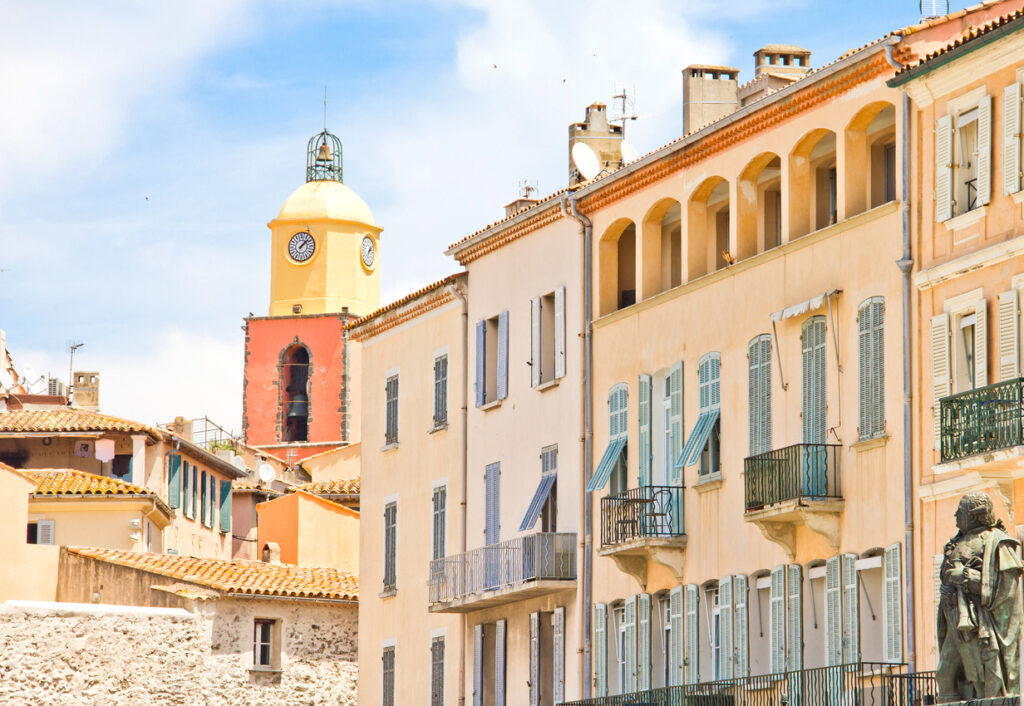
Saint-Tropez arrives like a scene change. One moment you are in the quiet Provençal hills; the next you are navigating a harbor lined with superyachts and the kind of cafés where a coffee costs the same as a meal somewhere else.
We gave ourselves fully to it. One afternoon at Nikki Beach turned into an evening. Lunch ordered at noon, the sun tracked across the sky, a second round of rosé appearing with suspicious timing. By six o’clock no one was in a hurry to go anywhere.
That evening we had dinner at the legendary Hôtel Byblos before wandering downstairs to Les Caves du Roy. Ever since Brigitte Bardot put Saint-Tropez on the map, the town has drawn movie stars and celebrities like nowhere else on earth. On that dance floor you could turn around and find yourself standing next to someone you had only ever seen on a screen. It is that kind of place.
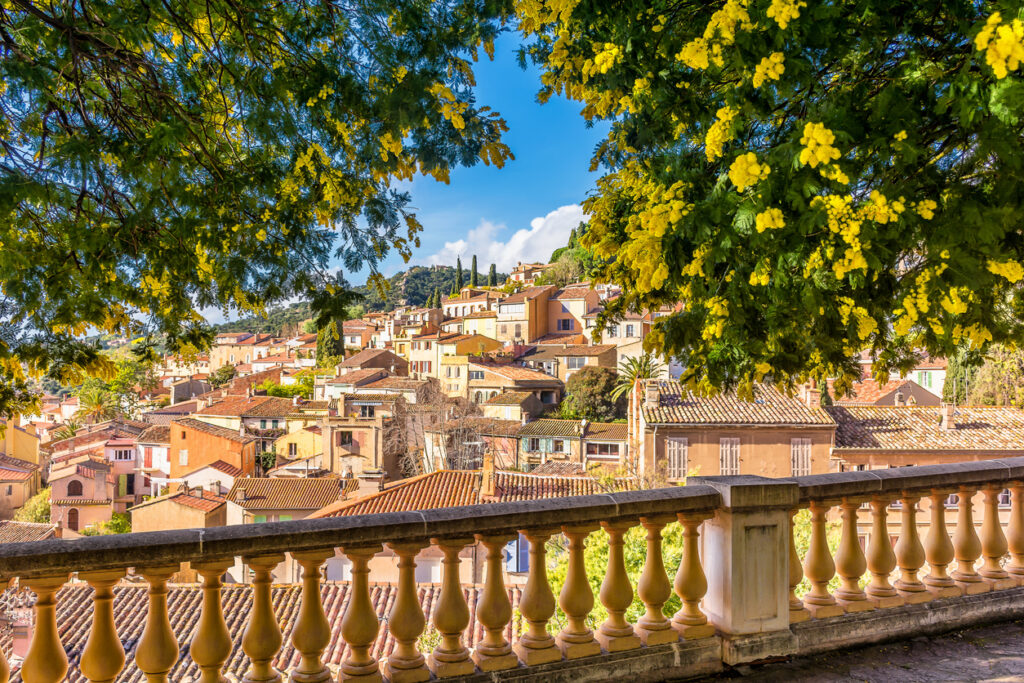
The drive along the Corniche from Saint-Tropez to Monaco is one of the great drives of Europe. The road climbs above the sea, the water below shifts from blue to green to an almost improbable turquoise, and around every bend there is something new to pull over for.
We stopped in Èze, the extraordinary hilltop village that clings to a rock above the Mediterranean, and stayed at Cap Estel, a small impeccable hotel set on its own private peninsula with the sea on three sides. We sat on the terrace after dinner and said very little. Sometimes a view makes conversation feel redundant.
Crossing the border the next morning, something shifted. The architecture, the signage, the coffee. We were somewhere new, even if only briefly.
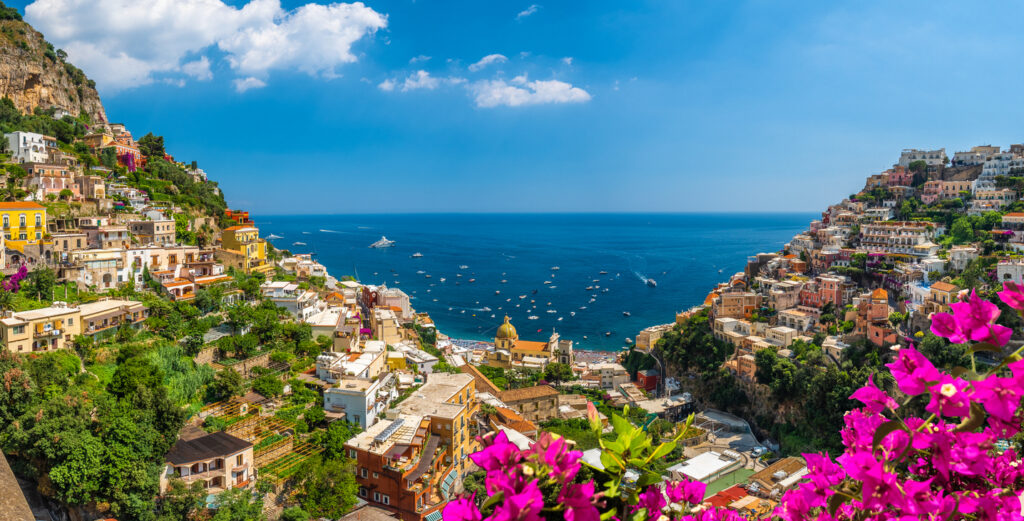
Portofino was as perfect as its reputation: pastel buildings around a flawless harbor, a dinner at Hotel Splendido with the sea spread out below us. From there we wound south to the Amalfi Coast, a road that is narrow, vertiginous, and utterly worth it, and spent a few days in Positano at Villa Rosa, with the famous Le Sirenuse just across the street becoming our unofficial living room.
We ended in Rome. One last night at Hotel Barocco near Piazza Barberini, pizza from a place with no English menu, gelato eaten while walking, and a long loop through the city with no particular destination. No itinerary. Just the three of us, tired and happy and not quite ready for it to be over. In the end, three friends one car was never really about the destinations.
Choose your travel companions thoughtfully.
A long trip like this is often best taken with friends you already know well. Spending two and a half weeks together in a car, sharing rooms, and deciding where to stop and what to explore works best when your friends are flexible and open to whatever the journey brings, and when you already understand each other’s personalities and travel styles.
Agree on the budget before you book anything.
Decide together what level of hotels and restaurants you want to enjoy and make sure everyone can genuinely afford it without feeling uncomfortable. The time to have this conversation is before the first deposit is paid.
Plan the driving carefully.
Driving in Europe is different from driving in the United States. More roundabouts, narrower roads, and occasional toll roads that require cash or a European card. When renting a car, make sure to check all requirements in advance, including whether you need an international driving permit. We limited ourselves to about five or six hours of driving per day and did most of it in the morning, which left afternoons free for exploring. This kept the trip feeling like a holiday rather than a commute.
Travel light.
You are sharing a car and often sharing a hotel room. Many of Europe’s most beautiful hotels are charming precisely because they are old, which means the rooms can be small and the lifts smaller. One bag each makes everything easier.
Leave room for the unplanned.
Some of the best moments of the trip were ones we never scheduled. A bakery in a Loire village, an evening in Èze when we didn’t want to leave the terrace. If every hour is accounted for, you won’t have space for those.
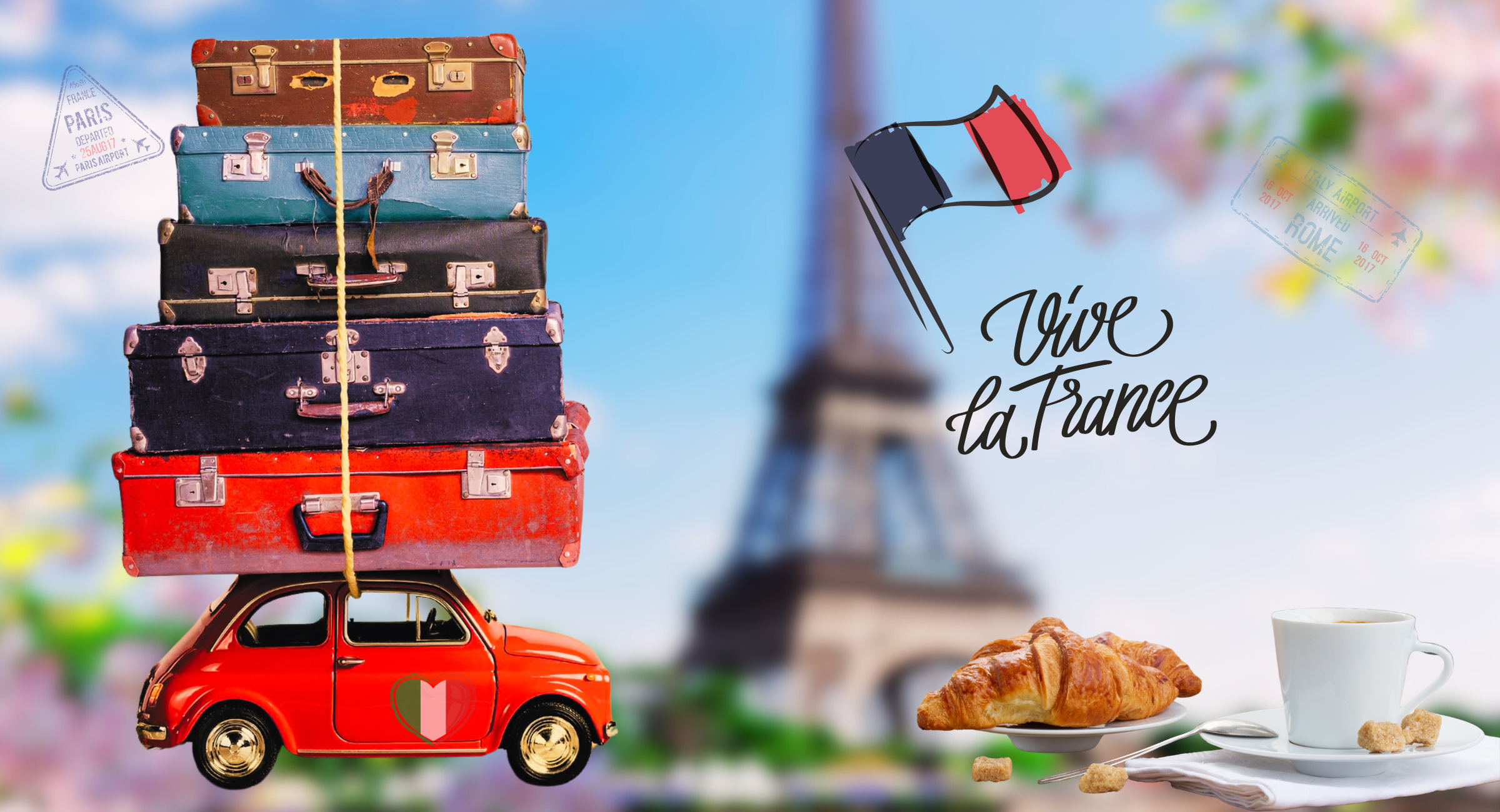
Looking back, what made the trip unforgettable wasn’t only the destinations. It was everything that happened between them, the long drives, the small villages we never planned to visit, and the laughter that filled the car. We started in Paris, three friends and our co-pilot Madeleine, the navigator. Two and a half weeks later we ended in Rome, eating gelato on a warm night, with a lifetime of memories in between.
Bon voyage.
The Balm That Dissolves Everything Naturium’s Purple Ginseng Cleansing Balm is a quiet revolution in…
Most people believe style comes from having more, more options, more trends, more pieces. But…
GLOW There is a kind of radiance that cannot be manufactured, the kind that moves…
Anyone already acquainted with Thayers knows what to expect from the brand: products that do…
A gentle oil cleanser that melts away the day and leaves skin soft, clean, and…
A two-and-a-half-week road trip from Paris to Rome, through Normandy, the Loire Valley, Provence, the…
Some destinations quietly fall out of fashion, while others simply wait for the world to…